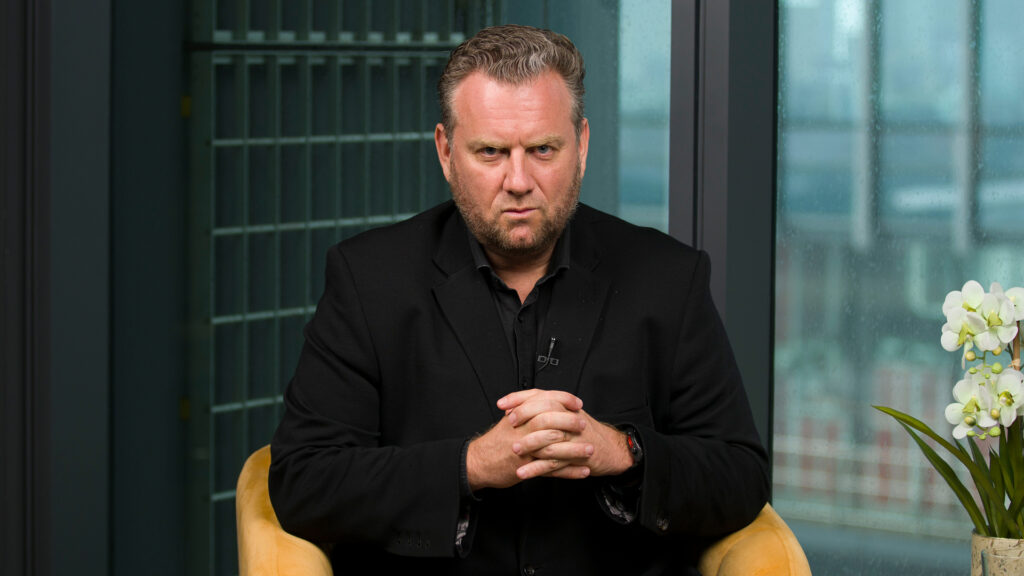
Top 5 Insights from speaking to Property Expert Tim Lawless
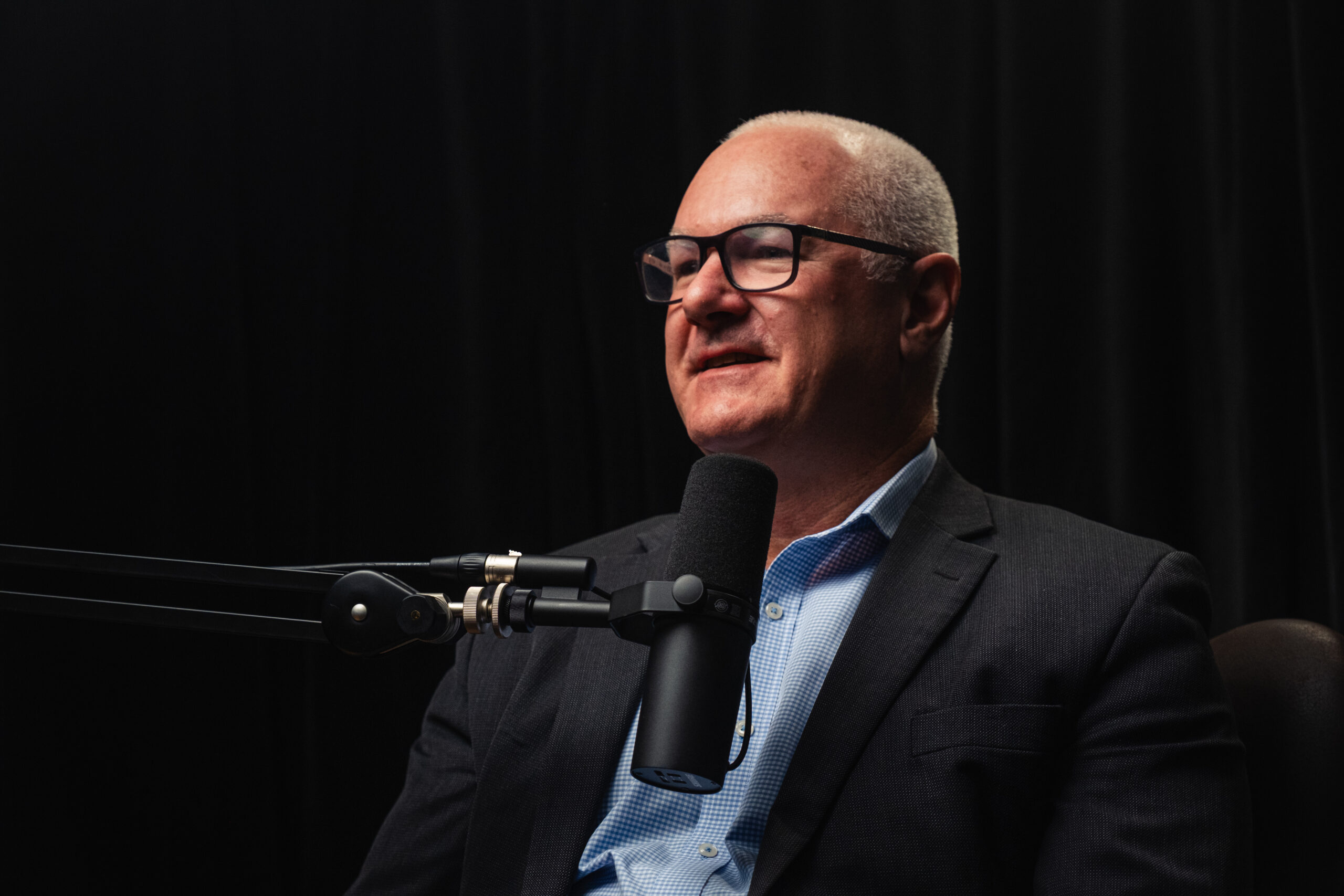
Tim Lawless is the Head of Research at Cotality (formerly CoreLogic), one of Australia’s leading property data and analytics organisations.
In this conversation Tim unpacks what the data is showing about the state of Australia’s residential property market in the wake of the Federal Budget, covering investor withdrawal, price trajectories, yield dynamics, and which markets are best placed for the medium to long term. The discussion moves from macro analysis to granular market-by-market breakdowns, giving serious investors and aspiring buyers a clear-eyed picture of where things actually stand.
5 Key Lessons
1. The budget accelerated a downturn that was already in motion.
The property market was already slowing before the Federal Budget was handed down, the result of multiple rate rises, affordability pressures, and low consumer confidence. The budget amplified that existing weakness. Sydney and Melbourne were already falling. Adelaide has since joined them. Brisbane has flatlined, and Perth’s monthly growth rate fell from nearly 2% to around 0.5%.
2. Removing negative gearing for established homes fundamentally changes the investor maths.
For most residential property investors, capital gain rather than rental yield has historically been the primary motivation. With negative gearing no longer available for established homes, the cash flow position becomes much harder to sustain. Gross yields of around 3% to 3.5% on a typical apartment cannot offset mortgage rates in the mid-6s plus strata, insurance, maintenance and tenancy compliance costs. Tim’s view is that the maths simply doesn’t stack up anymore for the majority of investors in established property.
3. Investor demand is a bigger lever on the market than most people realise.
In the lead-up to the budget, investors accounted for approximately 41% of total property demand, well above the long-term average of around 33%. During the 2018-19 APRA crackdown, investor demand fell from a record 46% to around 24%. Tim’s expectation is that the post-budget pullback will be comparable, or potentially more severe. A drop from 40% to 20% of demand represents a 20 percentage point reduction in total market demand, a substantial contraction.
4. Yields will eventually improve, and that’s what brings investors back.
As prices fall and rents remain elevated or continue rising, gross yields improve. That yield improvement is the mechanism by which the investment proposition in property becomes attractive again. Tim outlined a scenario where an asset purchased at $900,000 today, with the same or higher rent than a $1,000,000 equivalent 6 months ago, delivers a meaningfully better yield. The question is how long that process takes, and Tim’s view is it will be gradual, not sudden, with market stabilisation more likely in the second half of 2026.
5. This downturn is structurally different from previous cycles.
Previous Australian property downturns have typically been triggered by a single factor such as rising rates, credit tightening, or an external shock like the GFC. The current environment involves record unaffordability, high interest rates, deeply pessimistic consumer confidence, and a structural change in taxation policy, all simultaneously. Tim describes this as an “array of negative factors” that is, in combination, largely unprecedented. The supply shortage and ongoing population-driven demand are the key factors he believes will prevent a more severe correction, but they are moderating forces, not a reversal.