The One Skill AI Can’t Replace
Reading Time: 2 minutes
The opportunity to build a business with AI has never been better.
AI is wiping out tasks that used to eat weeks of team time. Research, drafting, structuring content, it’s all getting faster and cheaper. And that’s a good thing. But here’s what’s getting lost in the conversation: the skills that matter now aren’t the ones AI is replacing. They’re the ones it can’t touch.
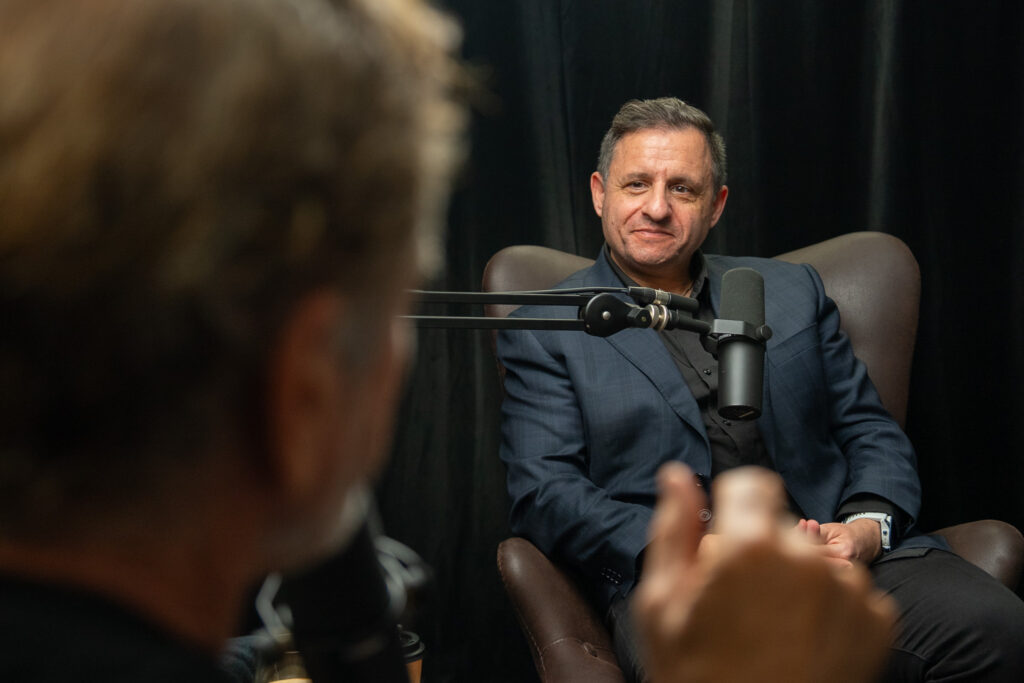
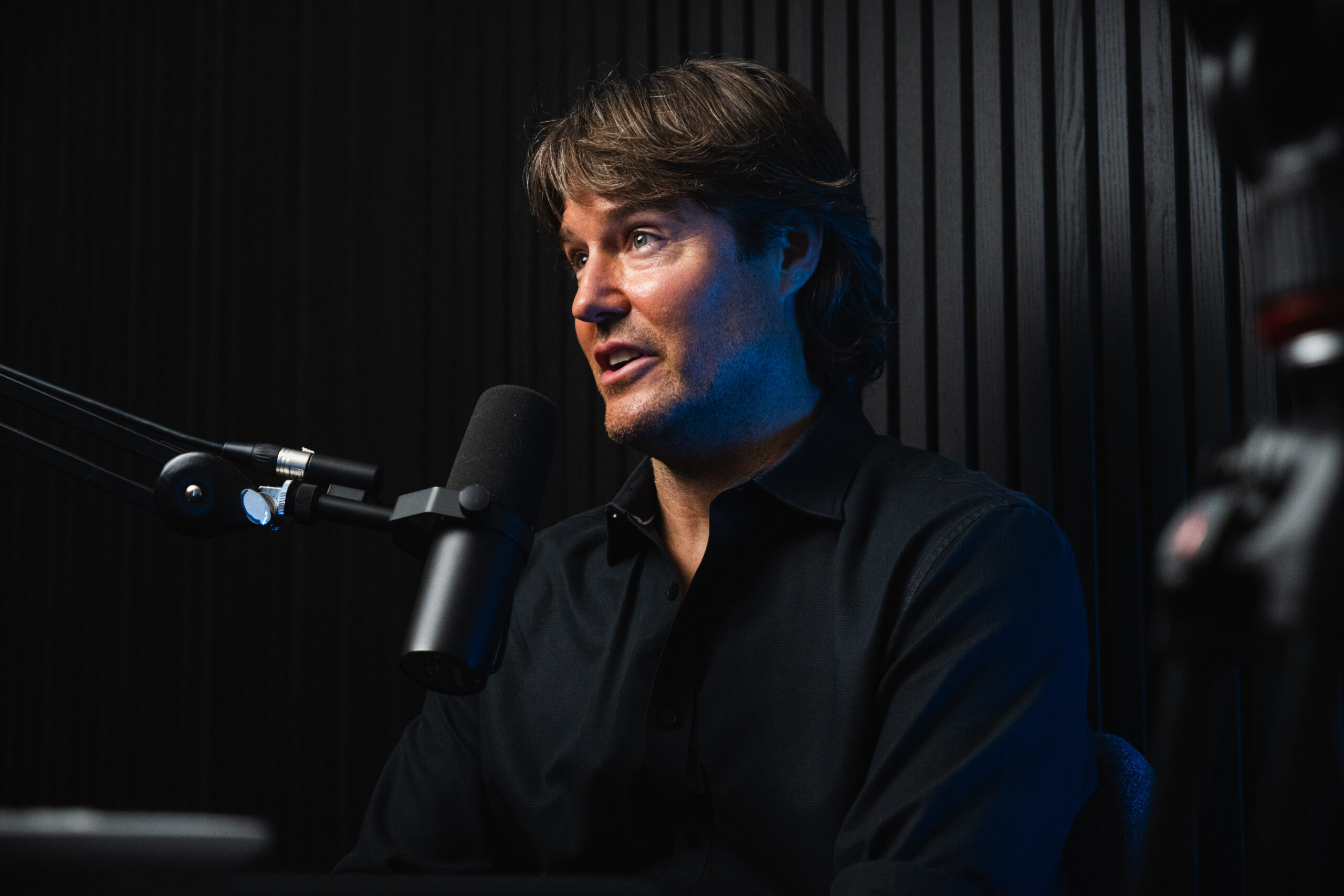
My last guest on The Mentor, Jonathan Pease, made that clear. Jonathan works at the intersection of communication and technology, and his take on where AI is taking presentations is one of the more honest ones I’ve heard. His argument is simple: AI is commoditising content. Which means taste and communication are the only real differentiators left.
So if you’re in business and you think your edge is the quality of your slides or the research behind your pitch, think again. That’s table stakes now. What actually moves the room is you.
Here’s 5-points Jonathan broke down in the podcast:
5 Key Lessons:
1. Use AI for Research, Not Delivery
Leverage artificial intelligence to profile your audience, understand their context, and prepare your content. However, the actual presentation must showcase your unique perspective, values, and authentic communication style.
2. Turn your pitch into a conversation as fast as possible
The best presenters aren’t broadcasting. They’re creating a two-way dialogue. Ask prediction questions. Use something provocative. Get the room talking back. The faster you do that, the more control you actually have.
3. Strategic Pace Creates Authority
This is something a lot of people miss. Slow down on the points that matter. Pause and let them land. Speed through the connective tissue. The rhythm you set tells the room how seriously to take what you’re saying.
4. Intentional Authenticity Beats Perfection
Jonathan calls it intentional authenticity. The idea that showing up as genuinely yourself, planned imperfections included, creates more connection than a flawless performance. People don’t trust perfect. They trust real.
5. Story bridges the personal to the professional
Jonathan’s MeWe framework starts with how something made you feel, then bridges that into what it means for your audience. That’s what makes a story worth listening to. Not the anecdote itself, but the translation.
Watch here: